


Stress Tap Ease: ASMR Games
4.758.00 Reviews
App Specs
- Version
- 4.4
- Updated On
- License
- Free
- Downloads
- 1,000,000+
- Developer
- Piggy Panda Inc
- Categories
- Role Playing
- Platform
- Android
Screenshots
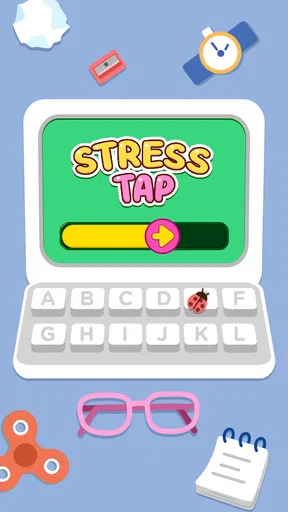

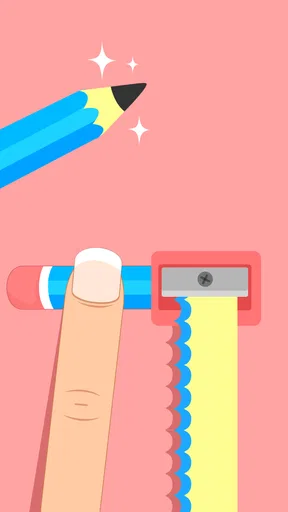
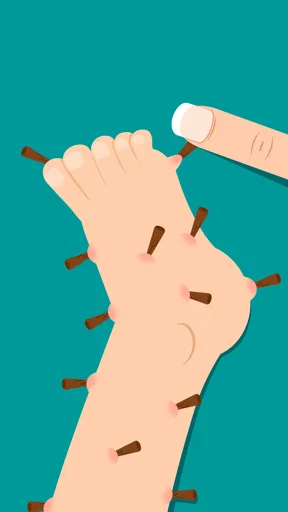
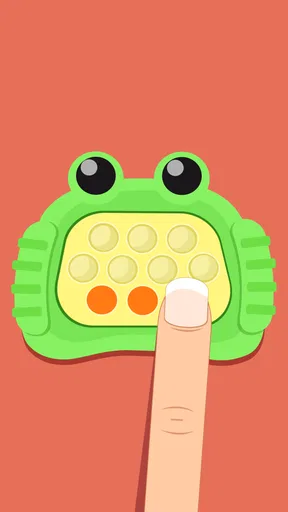
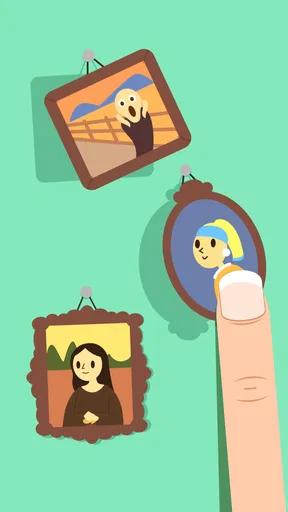
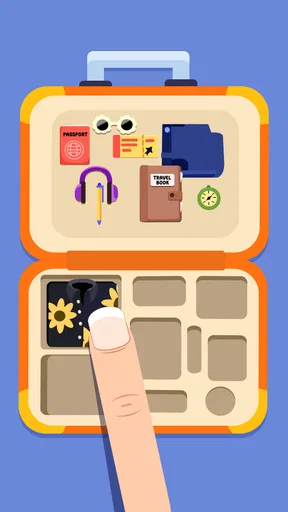
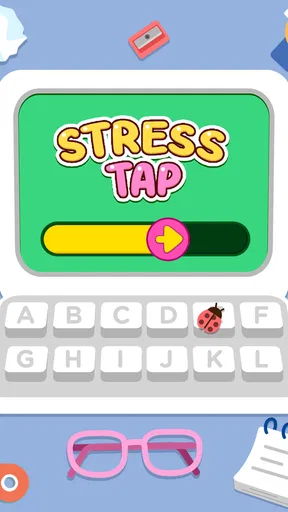
 Analysis by AppCompare
I tried Stress Tap Ease: ASMR Games as a quick, low-pressure role-playing game for moments when I wanted something simple to do with my hands. Its main appeal is the tap-based puzzle format: instead of asking me to learn a complicated control scheme, it turns short interactions into the whole experience. That makes it easy to pick up, especially on a shared phone or tablet where different people may want a brief turn without committing to a long session.
The game is free to install, and Piggy Panda Inc presents it for children, kids, and adults. I would describe it more carefully as a casual stress-relief game with a teen content rating rather than a deep role-playing adventure. It is best approached as a small collection of tactile puzzles and calming interactions, not as a story-driven game with a large world to explore.
Its average rating is 4.7 from around 2.7 thousand ratings, and it has passed one million installs. Those figures suggest that the straightforward concept has found an audience, although popularity alone does not make it suitable for every household. The important question is whether the person using it wants gentle tapping and short puzzles, or expects the progression, strategy, and narrative usually associated with role-playing games.
How it works in everyday shared-device use
I’ve found shared-device use works best when the game is treated as a brief personal break rather than a group activity everyone must enjoy together. Before passing over the phone, I’d agree on who is next and where the device should be returned; that small routine avoids confusion even when a session is short. It also makes the spending and access boundaries easier to discuss before anyone begins playing.
A small game that fits between household tasks
I found the strongest use case in short breaks. Someone waiting for food to finish cooking, taking a pause between chores, or sitting beside a family member who is using the television can open the game and play without needing a long uninterrupted block of time. The tap-first design makes it less demanding than a conventional action game, where missing a moment can ruin a level or force a restart.
On a shared device, that simplicity matters. A child can understand the basic idea quickly, while an adult can use it for a few minutes without having to study instructions. I would not hand it over expecting everyone to enjoy the same kind of play, though. One person may like the repetitive sensory rhythm, while another may find the tapping too slight compared with a proper puzzle game.
A realistic household routine would be taking turns after dinner. One person plays until they feel finished, then passes the device to another user who starts their own short session. Because the appeal comes from immediate interaction rather than a long narrative, the handoff does not require a detailed explanation of what happened previously. That makes it more practical for casual sharing than a game built around a single ongoing campaign.
Worth Reading Before You Choose

EA SPORTS FC Mobile 26 Is a Bigger Football Game, but It Takes Time

Flipboard Shows What News Apps Must Do Beyond the Feed

Switching to Android Auto Means Rethinking Your Driving Routine

Google Calendar Makes a Crowded Week Easier to Manage

Ludo King Makes the Most of the Minutes Between Plans

Baby Panda World Brings Quick Play to Modern Phones, but Its Game Library Feels Busy
Why the ASMR angle changes the experience
The ASMR framing sets a different expectation from a traditional role-playing title. I approached each puzzle as a calming activity, paying attention to the satisfaction of completing a small interaction rather than chasing a dramatic objective. This works when I want low mental pressure, but it also means the game can feel too gentle if I am looking for challenge, competition, or a strong sense of achievement.
My useful tip is to treat it as a reset between demanding tasks instead of making it the main game of the day. Short sessions suit its design better than forcing a long play period. When I kept playing after the calming novelty had worn off, the simple format became more noticeable. The game is more convincing as a quick mental pause than as a replacement for a full role-playing adventure.
What to expect from the role-playing label
The category may attract players who normally choose character development, quests, equipment, or branching stories. I would set expectations before recommending it to them. The role-playing label does not tell me to expect the same depth as a conventional mobile RPG. Here, the central attraction is the act of tapping through ASMR-style puzzles.
That distinction is especially useful when several people share one device. A younger user who only wants an easy activity may be satisfied, while an older player looking for tactical decisions may quickly move on. I would compare it with match-three puzzles, idle games, and relaxing simulation titles rather than with large story-heavy RPGs. Those alternatives may offer clearer goals or deeper progression; Stress Tap Ease answers a different need by keeping the interaction immediate and uncomplicated.
Setting boundaries before sharing the device
I’d set the device’s purchase controls before inviting someone else to try the game, then explain that any purchase needs the owner’s approval. That is more reliable than expecting a player to interpret a prompt correctly while focused on tapping. Once the practical limits are clear, the next question is how to share turns fairly without making a relaxing pastime feel like a contest.
Free to start does not mean every part is cost-free
The game is free, with in-app purchases listed at $1.99 per item. That is a manageable price point for an individual choice, but it becomes more important when a phone or tablet is used by several people. I would establish a simple household rule before passing the device around: nobody makes a purchase without asking the device owner first.
This is not just a child-specific issue. Adults can also tap through a purchase prompt quickly when they are focused on a puzzle, especially if the device already has a payment method attached. I would check the device’s purchase-confirmation settings and keep the store account under the owner’s control. Those are practical habits for any free-to-start game, and they matter more when the same screen moves between family members.
My preferred setup is to explain the boundary in plain language: playing is allowed, spending is not automatic. If someone wants an item, they can stop and ask. That small pause prevents the game from becoming a source of disagreement and also teaches younger users that an attractive on-screen option is not the same thing as permission to buy.
Separate play turns from account responsibility
A shared device can make ownership confusing. The person holding the phone is not necessarily the person whose store account is active, and a child’s progress should not be treated as proof that the child owns the account. I would make the account owner responsible for installation, purchases, and updates, while each player simply uses the game during an agreed turn.
This approach is particularly useful because the game is easy to hand over without much explanation. The convenience can encourage casual use, but convenience should not blur who controls the device. Before a first shared session, I would identify the owner, explain the spending rule, and decide whether the game is available at any time or only during agreed breaks.
I would also avoid assuming that a shared session creates separate personal spaces. Unless the device itself provides a way to manage different users, I would treat the game as a communal activity rather than promising individual account boundaries. That is a more honest arrangement and avoids disappointment if one person expects a private, separate experience.
Keep the device environment comfortable
Because the game relies on tapping and sensory satisfaction, the physical setup affects whether it feels relaxing. I prefer using it with the device held securely and the sound at a comfortable level if audio is part of the experience. In a household, headphones may be appropriate when one person wants a quiet session, but I would not make them a requirement for everyone.
A useful routine is to keep sessions away from moments when another person needs the device urgently. The game is easy to start, which is convenient, but that same ease can make it tempting to continue through a planned handoff. A visible timer or a verbal agreement works better than relying on the player to notice the time while absorbed in repeated taps.
Coordinating turns without turning relaxation into conflict
For a smooth handoff, I’d agree on a natural stopping point before a turn begins and give the next person a heads-up rather than taking the device abruptly. If someone wants to continue, they can ask for another turn instead of assuming one. This keeps expectations simple; it also helps distinguish a fair rotation from a rule that merely interrupts whoever is playing.
Why short turns work better than informal promises
In my experience, “just one more” is the main risk with any simple game that can be resumed instantly. A household does not need a complicated schedule, but it does benefit from a clear turn system. Agreeing on a short session before the first tap makes the handoff feel fair, especially when siblings or roommates share one device.
I would use a basic rotation: one person plays, announces when the turn is nearly finished, then passes the device. The point is not to impose strict competition; it is to protect the calming purpose of the game. If the handoff becomes an argument, the experience stops being relaxing for everyone.
Another practical option is to reserve it for waiting periods when nobody expects continuous access to the device. That could be during a commute, while waiting for an appointment, or during a quiet household break. In those situations, the game’s short-form design becomes a strength because the session has a natural endpoint.
Do not assume everyone wants the same kind of calm
One non-obvious trade-off is that ASMR-style interaction is personal. Repetitive tapping can help one user settle down and annoy another. I would let each household member try it briefly before deciding whether it belongs on a shared device. A good rating does not guarantee that every player will enjoy the same sensory style.
This matters with children in particular. One child may become absorbed and quiet, while another may lose interest because the puzzles do not provide enough challenge. I would avoid presenting the game as a universal calming solution. It is a tool for a certain mood, not a substitute for conversation, rest, or supervision when a child is genuinely upset.
When another game is the better shared choice
If the household wants cooperative decision-making, I would choose a game designed around shared objectives instead. If the goal is teaching logic, a structured puzzle game with clearly escalating challenges may be more satisfying. If the goal is a long family session, a turn-based title with visible progress and deliberate pauses may coordinate better than a tap game built around quick sensory feedback.
Stress Tap Ease is preferable when the group wants low commitment. Nobody has to remember a complicated plot, and a new player can understand the basic interaction quickly. The trade-off is that there may be less to discuss after a turn. It creates a quiet individual break more naturally than a conversation-rich multiplayer activity.
Age, trust, and choosing the right player
I would make the age decision with the Teen rating in view, rather than assuming that a gentle presentation alone settles whether it suits a child. I’d also consider whether the intended player enjoys repetitive tactile interaction and understands the household’s purchase rules. Those checks help turn a quick trial into an informed choice, which is the basis for my overall household recommendation.
The teen rating deserves attention
The content rating is Teen, so I would not treat the game as automatically intended for very young children simply because the summary mentions kids and children. Parents and caregivers should make their own judgment based on the child, the device, and the household’s rules. The safest recommendation is to explore it together first rather than relying on the casual presentation alone.
Age is only one part of the decision. A child who understands tapping but does not understand in-app purchases still needs a clear boundary around spending. An older user may be comfortable managing the device but may not enjoy the game’s lighter challenge. The best fit depends on both maturity and expectations.
I also appreciate the value of trust in a shared-device setting. If a child can use the game independently, that should be because the adult has already decided the arrangement is appropriate, not because the game looks harmless at a glance. The Teen label is a useful reminder to make that decision deliberately.
What to explain before handing it over
I would explain three things before a first session. First, the game is for tapping through puzzles and relaxing, not for unlimited access to the device. Second, any purchase requires permission from the account owner. Third, the device must be returned when the agreed turn ends.
That short explanation answers the questions a new user is most likely to have: what am I doing, can I spend money, and when do I stop? It also prevents the game from being blamed for a problem that actually came from unclear household rules.
For a child, I would sit nearby during the first use and observe whether the interaction is genuinely enjoyable or simply repetitive. For a roommate or partner, I would focus more on account responsibility and turn-taking. The same game can be suitable in one context and inconvenient in another because the surrounding expectations are different.
Device compatibility and maintenance
The current version is 4.4, and it requires Android 8.0 or later. That makes the operating-system requirement relevant when an older household phone is being considered for shared use. Before planning around it, I would check the device software rather than assume that every spare phone can run the game.
Updates are another small coordination issue. If one person postpones an update while another expects to play, access can become inconvenient at the wrong time. I would let the device owner handle updates and keep the game ready before a planned shared session. This avoids handing account or store responsibilities to a child simply because they are the person asking to play.
My household verdict after using it
My household verdict is that this game can fit shared-device life when everyone understands it as a short, individual activity and the device owner stays responsible for purchases and updates. I’d try it during a quiet break, then ask each person whether the tapping actually felt enjoyable; a calm-looking game is not automatically calming for everyone. That simple check is the clearest way to decide whether it deserves a place on the shared device.
Where it earns a place
I would recommend Stress Tap Ease to households wanting a gentle, easy-to-explain activity for short individual turns. It is especially suitable when people share a device but do not want to share a complicated campaign. The tap-based format lowers the learning barrier, and the ASMR focus gives it a clear mood that separates it from more demanding mobile games.
Its free entry also makes trying it straightforward, while the modest per-item purchase price means the main household concern is not the size of one purchase but whether everyone understands who can approve it. With a clear rule, the game can work well as a small break between responsibilities.
Where I would skip it
I would skip it for a player seeking a substantial role-playing system, competitive depth, or a story that rewards long sessions. I would also hesitate to install it on a device used by very young children without first checking the Teen rating and setting purchase boundaries. For a family looking for a game everyone plays together at the same time, a purpose-built cooperative title would probably be a better choice.
There is also a personal limitation: the simple tapping can lose its appeal if I am not in the right mood. Its strength is its narrow focus, and that is also its weakness. It does not try to be a complete entertainment package, so I would keep another game available for times when I want strategy, exploration, or a stronger sense of progression.
The final balance
My overall view is positive, with realistic expectations. Stress Tap Ease is a useful little role-playing puzzle game for calming pauses, not a full-scale RPG and not a guaranteed solution for every age group or shared-device problem. I like it most when I decide in advance how long I will play and what I want from the session.
For a household, the best approach is simple: check the Teen rating, confirm that the device meets the Android requirement, keep purchases under the account owner’s control, and agree on turns before someone starts tapping. With those boundaries in place, the game can provide a quiet, low-pressure activity that fits naturally into everyday life. Without them, its easy access may create more friction than relaxation.
My recommendation is to try it as a short shared-device break, not as the household’s main game. If that matches what you need, Piggy Panda Inc’s compact approach is appealing. If you want deep progression or genuinely cooperative play, I would look elsewhere.
Pros
- Simple tap-based gameplay is easy to learn and play anytime.
- Short sessions make it suitable for quick stress-relief breaks.
- ASMR-inspired sounds create a calming and satisfying atmosphere.
- Minimal controls are accessible for players of different ages.
- Works well as a casual distraction without demanding intense focus.
Cons
- Repetitive mechanics may become boring after extended play.
- Some sounds or effects may not appeal to every ASMR preference.
- Progression can feel limited for players seeking deeper challenges.
- Ads may interrupt the relaxing experience in the free version.
- Relaxation benefits vary
- especially for users sensitive to repetitive sounds.
FAQs for Stress Tap Ease: ASMR Games
What is Stress Tap Ease: ASMR Games?
Stress Tap Ease: ASMR Games is a casual relaxation app built around short, satisfying ASMR-inspired activities. It typically combines tapping, swiping, sorting, pressing, and other simple interactions with calming sounds and visual feedback. The game is designed for quick stress-relief sessions rather than a complex story or competitive challenge, making it suitable for short breaks, winding down, or passing time.
Is Stress Tap Ease: ASMR Games free to download and play?
The app can generally be downloaded for free, but the available experience may include advertisements, optional purchases, or premium content depending on the version and platform. Some activities or customization features may be restricted until unlocked. Before downloading, it is worth checking the current Google Play or App Store listing for in-app purchase details, subscription information, and whether the free version includes advertising.
Does Stress Tap Ease: ASMR Games work offline?
Many of the basic ASMR mini-games may be playable without a continuous internet connection once the necessary content has loaded. However, advertisements, analytics, updates, cloud features, and certain additional activities may require access to the internet. If offline use is important to you, test the app in airplane mode after installation, since offline availability can vary between versions and devices.
Is Stress Tap Ease: ASMR Games suitable for children?
The simple controls and non-violent presentation may make Stress Tap Ease: ASMR Games appealing to younger users, but parents should still review the app’s age rating and privacy information before allowing access. Advertisements and in-app purchases can be a concern, particularly on shared devices. The repetitive audio and visual effects may also be unsuitable for children who are sensitive to stimulation.
What should I know about privacy and permissions before installing it?
Before installing Stress Tap Ease: ASMR Games, review the permissions and data-safety information shown on the official store page. A relaxation game should not normally need access to sensitive functions such as contacts, messages, or precise location, although it may collect technical, advertising, or usage data. Avoid unofficial download sites, keep the app updated, and check the developer’s privacy policy if data collection is a concern.


